Cutting
Laser
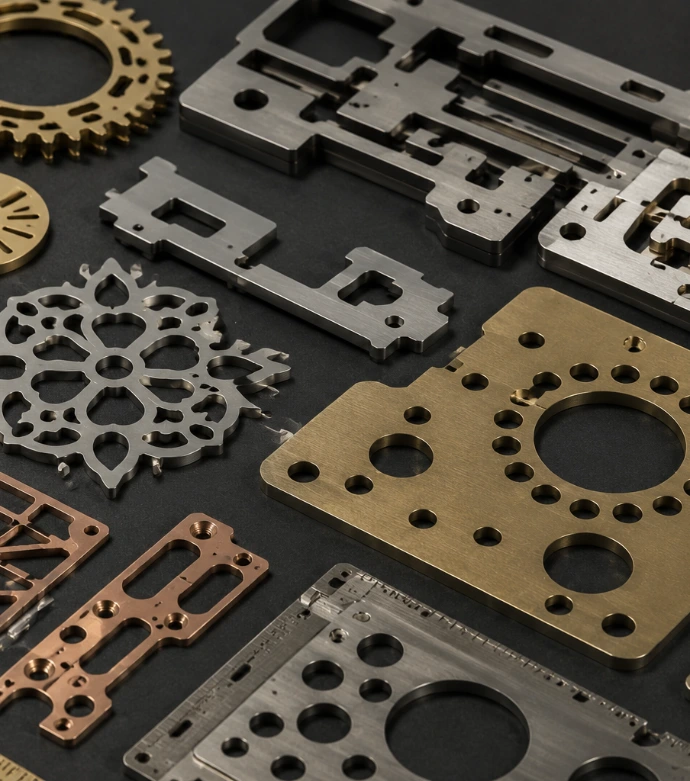
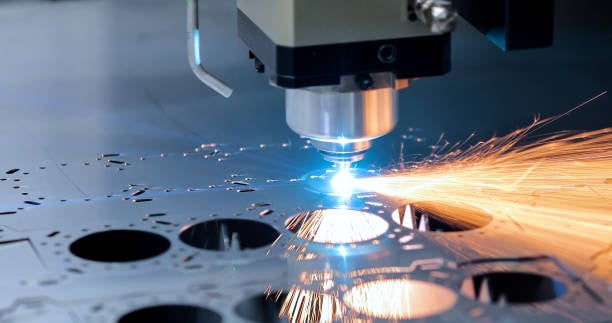
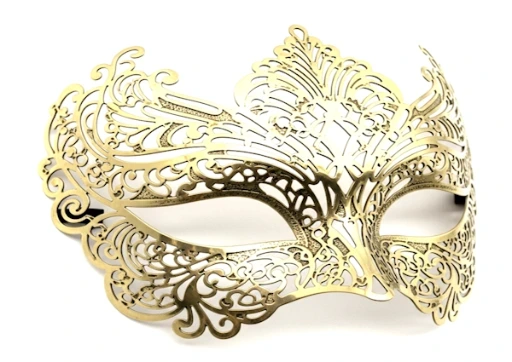
At Exella, we offer a cutting-edge laser cutting service for metal sheets for third-party production. Thanks to state-of-the-art diode and fiber optic systems, we transform your vector files into finished metal components with sharp, precise profiles ready for assembly.
What is laser cutting of metals?
Thelaser cutting of metalsis a thermal processing technology that uses a highly focused beam of light with extremely high energy density to melt or vaporize the material along a defined cutting line. This process allows for the shaping of metal sheets with high-precision tolerances, ensuring exceptional execution speed and perfectly perpendicular edges without mechanical deformations.
The advantages of fiber and diode laser cutting
Our industrial systems offer superior performance compared to traditional cutting technologies:
Perfectly smooth profiles: Clean and burr-free cutting, eliminating the need for subsequent mechanical reworking or deburring operations.
Absolute geometric flexibility: No limits to the complexity of external shapes or internal holes.
Thickness optimization: We work with steel, brass, and bronze sheets with significant thicknesses, up to 4.00 mm.
Efficiency on small batches: Ideal for both rapid prototype development and series production, with zero machine setup times.
Hybrid technology: The synergy between laser and chemical etching
For the most sought-after and complex projects, Exella combines the power of laser cutting with the precision of chemical etching. This exclusive synergy allows us to pre-create logos, text, textures, and surface effects on sheet metal using half thickness (through chemical etching), and then cut the outer perimeter with the millimeter precision of the laser. An ideal solution for the design, electronics, and advanced modeling sectors.
Application Areas
Our laser cutting service for third parties meets the needs of multiple industrial and artisanal sectors:
Electronics and Micromechanics:Structural components, mounting brackets, heat sinks, and shaped plates.
Railway and Naval Modeling:Cutting of robust frames, structural components of model trains and ships that require thicknesses greater than etching.
Musical Instruments:Mechanical support elements, levers, and structural components for wind instruments.
Design, Fashion, and Furniture:Shaped metal complements, customized decorative elements, and components for lighting.
Materials and maximum thicknesses that can be cut
| Sheet Metal | Maximum Thickness | Type of Finish |
| Stainless steel (AISI 301, 304, 316L, 430) | 4.00 mm | Perpendicular profile, free of burrs. |
| Brass | 3.00 mm | Clean cut, ready for galvanic treatments. |
| Bronze | 3.00 mm | High precision on mechanical movements. |
| Copper | 2.00 mm | Optimized for electrical conductivity. |
Prices and quotes for laser cutting
Do you want to calculate the production costs of your piece? The price of laser cutting is calculated based on the laser beam travel time (total length of the cutting perimeter), the thickness of the sheet metal and the type of metal chosen.
Upload your design in vector format (.dxf, .dwg, or .pdf) to our configurator. Our technicians will analyze the layout to optimize material nesting and send you an accurate quote.
👉 Upload your files and calculate the price
Frequently Asked Questions (FAQ)
What is the difference between fiber laser and the old CO2 laser?
The fiber laser uses a shorter wavelength that is absorbed extremely efficiently by metals, especially reflective ones like brass, copper, and aluminum. Compared to CO2, it ensures superior cutting precision on thin and medium thicknesses, drastically reducing the heat-affected zone (HAZ).
Does laser cutting leave burrs or burns on the edges of the metal?
No. Thanks to the use of high-pressure assist gas (such as nitrogen) and our optimized cutting parameters, the molten metal is instantly expelled during the process. This ensures a shiny, clean edge that is completely free of slag or melting burrs.
When is it advisable to choose laser cutting over chemical photo-etching?
Laser cutting is the ideal and most cost-effective solution when the thickness of the sheet metal exceeds 1.50 mm (up to a maximum of 4.00 mm) or when the profiles to be cut are predominantly peripheral. For thin thicknesses, large series production, or when the project requires extremely intricate geometries and "half-thickness" etchings on the surface, chemical photo-etching remains the most suitable technology.
Ready to bring your project to life?
 Let's collaborate to create innovative solutions from prototype to mass production. Check our prices and contact us today, and let's build something extraordinary together.