Photo
Chemical etching
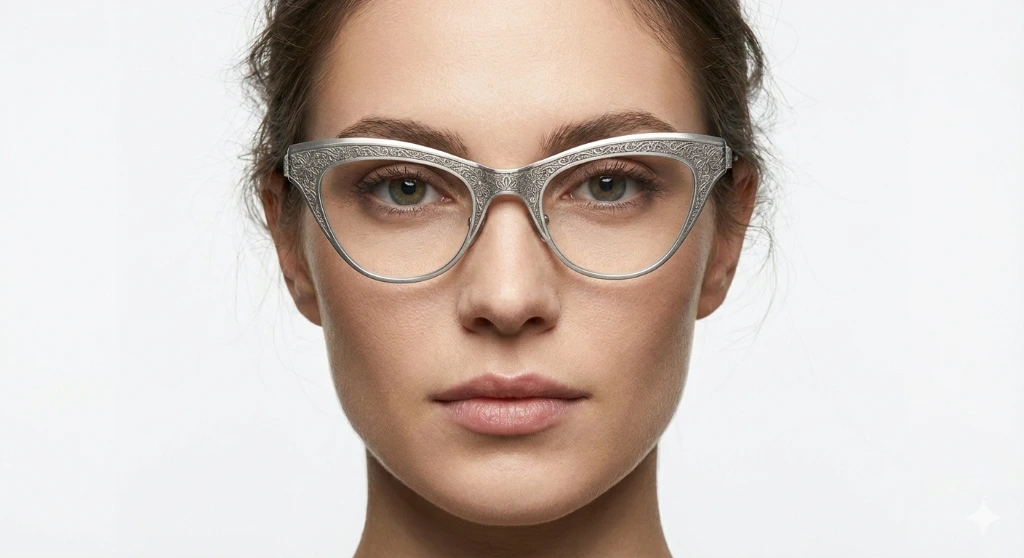
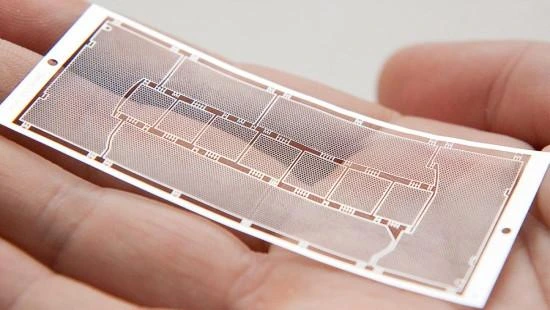
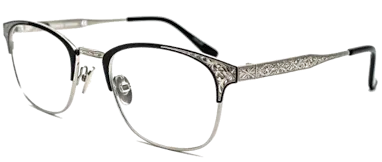
At Exella, we specialize in the contract manufacturing of complex and ultra-thin metal components. We work from your vector file to transform every design into a finished product, ensuring maximum fidelity to the original project.
What is chemical photo-etching?
Chemical photo-etching (or photochemical machining) is a cold metal processing technique that uses electrochemical solutions to selectively remove material from a sheet. Unlike laser cutting or mechanical stamping, this technique allows for the production of metal components with extremely high precision, completely free of burrs and without causing any thermal or structural alteration to the metal.
Chemical machining compared to traditional processing
Choosing chemical etching offers unique competitive advantages for industrial production and precision craftsmanship:
No mechanical stress:Perfectly smooth, perpendicular edges without burrs.
Geometric complexity at no extra cost:The cost does not increase based on the number of holes or the intricacy of the design.
No die costs:Setup costs are almost negligible compared to traditional stamping dies.
Rapid prototyping: From design to finished component in record time, ideal for both prototypes and large batches.
Fields and Areas of Application
We meet the needs of markets where high precision is everything:
Railway and Naval Modeling:Scale details, grids, handrails, and bodies for brass and alpaca model trains.
Musical Instruments:Micromechanical parts, keys, and decorative supports for accordions, glockenspiels, etc.
Eyewear:Fronts, bridges, temples, and ultra-thin and flexible decorations.
Automotive and Electronics:EMI/RFI shielding, electrical contacts, connectors, and beryllium copper springs.
Fashion and Design: Logos, buckles, plaques, awards, and the masks of the Venice Carnival.
Materials, Thicknesses, and Tolerances
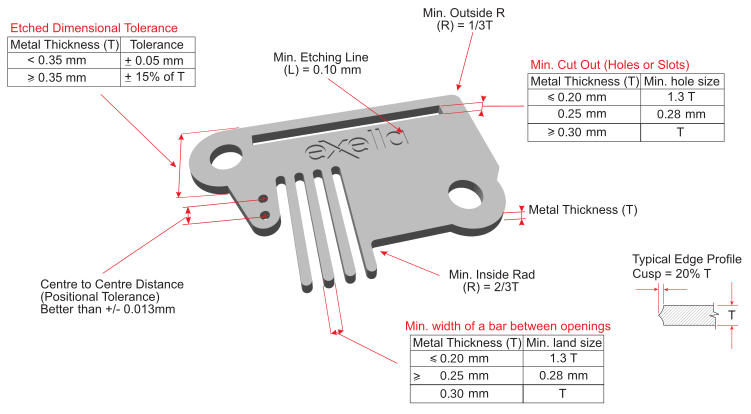
| Workable Material | Minimum Thickness | Maximum Thickness |
| Stainless Steel (AISI 301, 304, 316L, 430) | 0.05 mm | 1.20 mm |
| Brass and Phosphor Bronze | 0.05 mm | 2.00 mm |
| Copper and Beryllium Copper | 0.10 mm | 1.00 mm |
| Nickel Silver | 0.10 mm | 1.20 mm |
| Iron | 0.20 mm | 1.00 mm |
Price calculation for chemical etching
Are you calculating the costs for your project? The price of photo-etching does not depend on how complex the design is, but is based on three key factors: the type of material chosen, the thickness of the plate, and the total footprint of the piece (Dimensions Side X and Side Y).
Use our online form: upload your vector file (dwg, dxf, or pdf) and request a feasibility analysis and an accurate quote.
Upload your files and calculate the price
Frequently Asked Questions (FAQ)
What is the difference between mechanical stamping and chemical etching?
Mechanical stamping uses a steel die that "cuts" the sheet metal with force, leaving burrs on the edges and limiting the complexity of the part. Chemical etching dissolves the metal chemically: it leaves no burrs and allows for geometries that are impossible with a die.
How much does the tooling for photo-etching cost?
The setup (or photographic film) has a negligible cost (often just a few dozen euros) compared to the thousands of euros required to create a mechanical cutting mold. This makes photo-engraving ideal for prototyping.
Do etched parts require deburring?
No. The chemical process removes the metal cleanly, resulting in finished components that are clean and free of internal stresses, ready to be assembled or subjected to plating treatments.
Ready to bring your project to life?
 Let's collaborate to create innovative solutions from prototype to mass production. Check our prices and contact us today, and let's build something extraordinary together.